
🏁 The final stretch
- 📆 Only two weeks left!
- 🎉 Let's end with a bang!
- 📝 Plan your own project
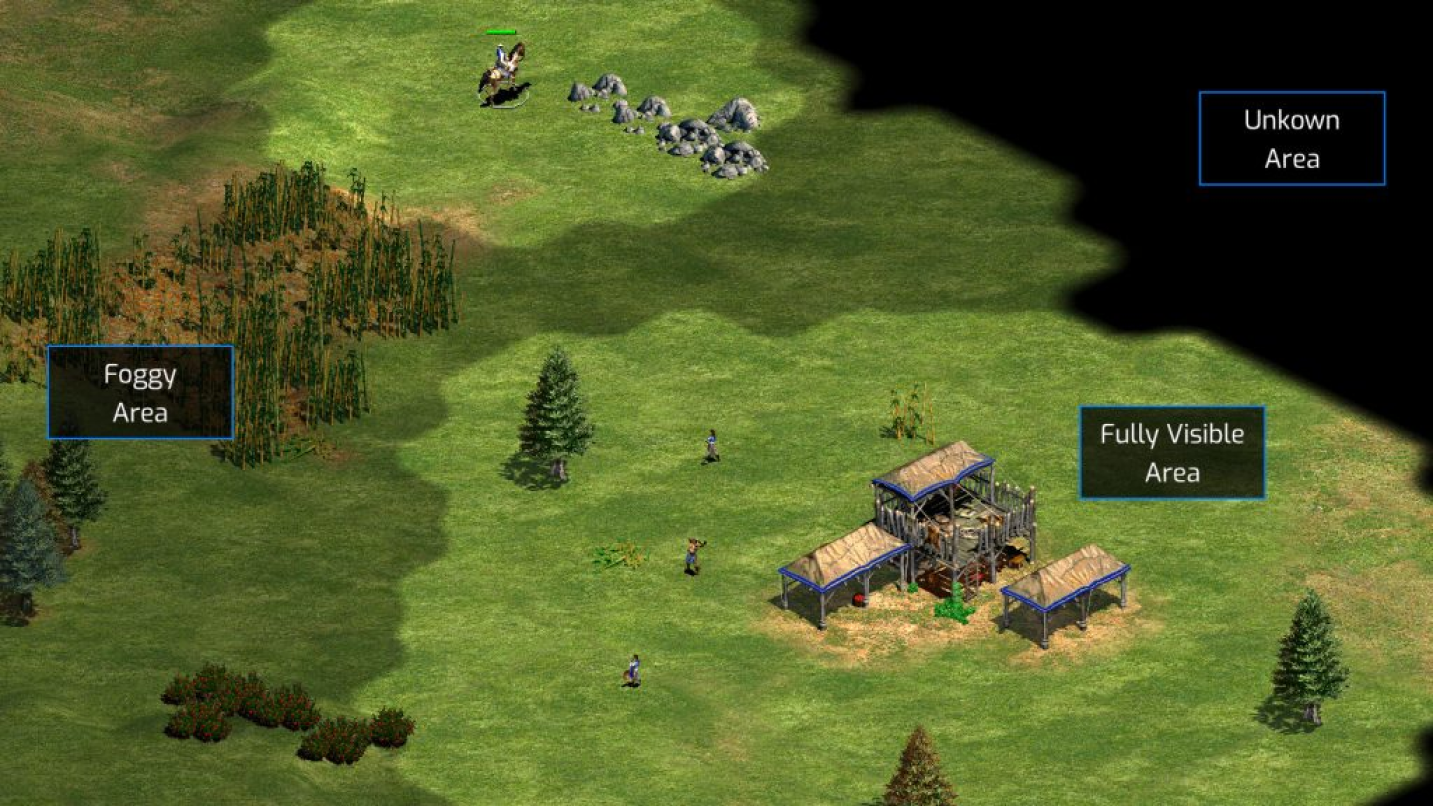
^ we haven't had much time to really let everything sink in so it probably still feels foggy
How do computers "think"?
- They don't... you do and they follow your instructions
- Literally: They do exactly what you tell them to do
- Linearly: One instruction (line) at a time
^ we're going to do a fun ice breaker to review how code runs
Your Functions
clap(x): Clap your handsxtimesslam(x): Slam your hands on the tablextimeraise_hand(which_hand): Raise your hand (left or right)say(something, volume): Say something out loud at a certain volume
^ Take a minute to let this "compile" in your brain
Program 1:
👉 clap(3)
slam(2)
raise_hand("left")
say("Sssssssssss!", "whisper")
Program 1:
clap(3)
👉 slam(2)
raise_hand("left")
say("Sssssssssss!", "whisper")
Program 1:
clap(3)
slam(2)
👉 raise_hand("left")
say("Sssssssssss!", "whisper")
Program 1:
clap(3)
slam(2)
raise_hand("left")
👉 say("Sssssssssss!", "whisper")
Program 2:
👉 raise_hand("right")
raise_hand("left")
say("Touchdown!", "loud")
Program 2:
raise_hand("right")
👉 raise_hand("left")
say("Touchdown!", "loud")
Program 2:
raise_hand("right")
raise_hand("left")
👉 say("Touchdown!", "loud")
Program 3:
# Load variables into memory
🧠 message = "Hello, world!"
slam_count = 1
clap_count = 3
Program 3:
# Load variables into memory
message = "Hello, world!"
🧠 slam_count = 1
clap_count = 3
Program 3:
# Load variables into memory
message = "Hello, world!"
slam_count = 1
🧠 clap_count = 3
Program 3:
👉 clap(clap_count)
slam(slam_count)
say(message, "loud")
Program 3:
clap(clap_count)
👉 slam(slam_count)
say(message, "loud")
Program 3:
clap(clap_count)
slam(slam_count)
👉 say(message, "loud")
⚡️ Feel the power
- We ran this "mind program" with ~10 of us at once
- Real programs run millions of times per second on millions of computers at once
- Computers are powerful, but they are not smart, you are smart.
With great power comes great responsibility
^ code can create or solve problems (aka social media)
💪🏻 Building your skills
- Pay attention to problems around you
- Observe how problems are currently solved
- Notice when you could do it better
- Write code!
"A problem well stated is a problem half solved"
^ Charles Kettering
🧠 Programmatic Thinking
- A way of thinking logically and systematically about a problem solution.
- Valuable for more than just code!
- The best way to learn is code
AI is a multiplier for problem solving
- The more you understand the problem, the better AI can help
- AI doesn't replace your thinking, it amplifies it
- Your job: define the problem. AI's job: help you solve it.
🗺️ How to plan a project
- Brainstorm: Pick something you care about, a problem you or your friends have
- Elevator Pitch: Describe your idea clearly in 2-3 sentences
- Think Small: What is the simplest version that actually works?
- Write It Down: A plan you can follow (and share with AI to help you build it)
🎤 Elevator Pitch
- A short 2-3 sentence description of your project
- Meant to grab attention and describe the problem you're solving clearly
- Template: "I am building [product] for [user] who struggles with [problem]."
Examples:
- I am building a shot-tracker for high school basketball players who forget what shots they practiced.
- I am building a homework planner for students who feel overwhelmed by large assignments.
- I am building a book library app for book lovers who want to keep track of their reading.
- ...
🎯 Think Small, Start Small
- What is the simplest version of your idea that actually works?
- Focus on solving one core problem well
- You can always add more later
- If you can't describe it in a few sentences, it's too big
🚀 Your plan today
- Create a project folder and plan file in Cursor
- Brainstorm ideas (with classmates and AI)
- Write your elevator pitch
- Submit your plan, even if it's not perfect yet